FuelEU maritime revenues to support green transition of Greek shipping and ports
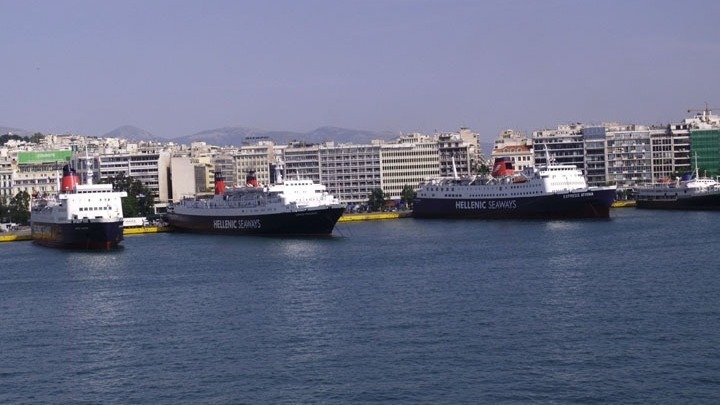
Revenue generated from the implementation of the European Union’s FuelEU Maritime Regulation is expected to be directed toward financing the green transition of Greek shipping and port infrastructure.
The provision is included in a development ministry draft bill currently in a process of public consultation that will remain open until June 29, 2026.
The bill, titled “Strengthening Consumer Protection in Credit Agreements, Financial Services and Distance, Off-Premises and Electronic Contracts – Transposition of Directives (EU) 2023/2225, 2023/2673, 2024/825 and 2024/1799,” includes provisions governing the allocation of revenues generated through the FuelEU Maritime framework.
FuelEU Maritime is a key European Union instrument aimed at reducing greenhouse gas emissions from the shipping sector. Unlike the EU Emissions Trading System (EU ETS), which imposes a carbon cost on shipping companies based on vessel emissions, FuelEU Maritime assesses the environmental performance of the fuels and energy used by ships.
The regulation currently applies to all commercial vessels above 5,000 gross tonnage (GT) calling at European Union ports, regardless of flag. Compliance is assessed using the “well-to-wake” methodology, which evaluates the full lifecycle emissions of marine fuels, from production and transportation through to their final consumption onboard vessels.
Greece has already secured a temporary exemption for a significant portion of its domestic ferry sector until December 31, 2029. However, routes serving islands with populations exceeding 200,000 residents, as well as international services such as Adriatic routes, are not covered by the exemption and therefore remain subject to the FuelEU Maritime requirements.
The planned allocation of FuelEU Maritime revenues is expected to support investments in cleaner shipping technologies, alternative fuels and the modernisation of port infrastructure, helping accelerate the decarbonisation of the Greek maritime sector while enhancing its long-term competitiveness.