
The Balkans are emerging as Europe’s third-lowest electricity price zone after the Iberian Peninsula and the Nordic countries, with Greece making a significant contribution, according to a study by the Institute of Energy for South-East Europe (IENE) presented on Thursday.
“Bulgaria and Greece are trading at around € 185- € 193/MWh, below most of Central Europe, where prices range from € 225- € 270/MWh, while Spain and Portugal remain at € 178- € 184/MWh, with Nordic markets even lower,” the study said.
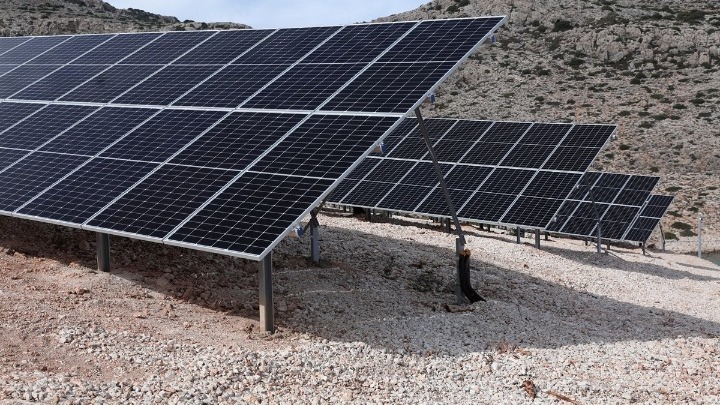
“This Balkan trend is not accidental. Greece is steadily increasing electricity generation from wind and solar, while Bulgaria is combining strong solar potential with the rapid development of energy storage systems. These developments are beginning to reshape the economic operation of a regional electricity system that remains fragmented. The message is clear. Southeast Europe has the potential to become one of the continent’s most resilient and low-cost electricity regions, provided this trend is supported by more batteries, faster development of wind power in Bulgaria, dynamic growth in renewables and storage in the Western Balkans, and deeper regional integration of electricity markets,” it added.
Pantelis Biskas, chairman of IENE’s Scientific Committee, said that accelerating the deployment of electricity storage in Greece would bring additional benefits. These would include making use of the “green” surplus electricity that is currently being curtailed, as well as providing additional market services that currently come at a high cost to Greek consumers.
Biskas also noted that state control over the pace of storage deployment has both negative and positive effects.
During the presentation, IENE Chairman Costis Stambolis said Greece is currently in a favourable position to deal with the oil crisis, as its refineries moved quickly to replace volumes previously imported from the Gulf with supplies from countries such as Libya, Kazakhstan and Azerbaijan.


