
Bulgaria Backs European Security Declaration, Expressed Reservations to Preamble over Ukraine Peace Talks – PM
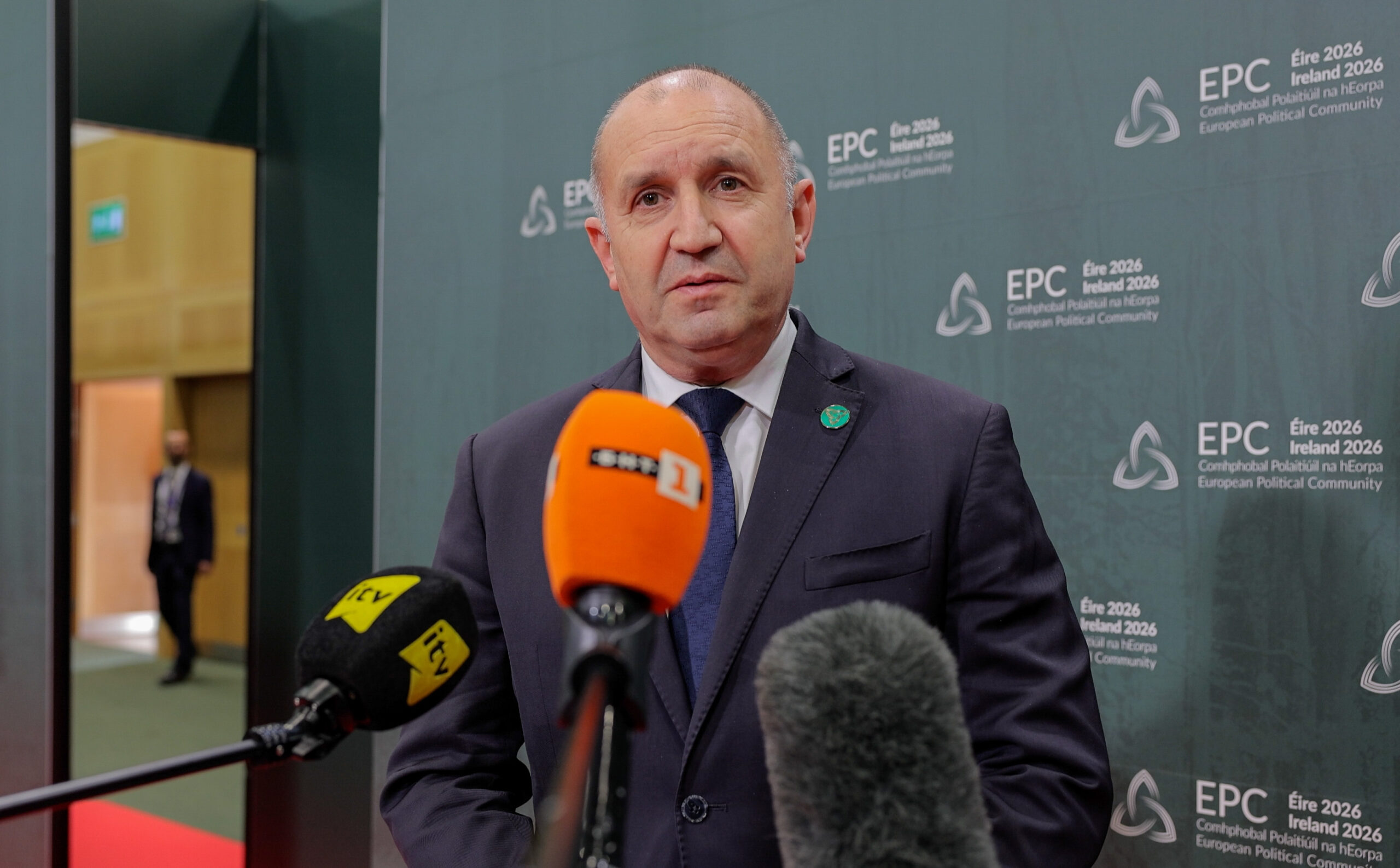
Bulgaria has supported a declaration on key principles of European security, taking reservations only to its preamble over the wording on Ukraine, Prime Minister Rumen Radev told reporters in Dublin. The Bulgarian position was reported earlier by the government press office.
Radev said Bulgaria wanted the text to reflect the changing dynamics of the ongoing peace negotiations and avoid narrowing the scope for dialogue and potential solutions. He noted that earlier drafts had included a reference to the importance of the talks in Abu Dhabi and the need to support them, but this had subsequently been dropped. Bulgaria wanted that reference restored, he said.
The Prime Minister stressed that his written reservation to the preamble had been duly recorded, while Bulgaria supported and welcomed the rest of the document, which he described as very important. The declaration, a French initiative presented at the ninth European Political Community summit in Dublin, was endorsed by around 40 countries from across the wider European continent. It sets out key security principles and addresses hybrid threats, information attacks and attempts to undermine democracy, Agence France-Presse reported.
Asked about Bulgaria’s position on a new loan for Ukraine and the possibility of acting as a guarantor, Radev said Bulgaria supported all efforts to achieve peace. However, he personally disagreed with the approach of seeking “peace through strength”, arguing that it led to “more casualties, destruction and escalation, putting the whole world at risk”.
He said Bulgaria had the largest historical Bulgarian community among EU Member States in Ukraine and expressed concern that Bulgarians continued to die in the war. The government’s priority, he said, was to help ensure that they could live in peace as soon as possible and, until then, have access to education, healthcare, electricity and heating. These needs would not be met through investment in military equipment, he argued.
Radev said Bulgaria could not provide financial assistance in the current circumstances because it was subject to an excessive deficit procedure and faced problems with its financial reserves. He stressed, however, that Bulgaria would not obstruct other EU Member States from providing financial support to Ukraine.
At the same time, Bulgaria was prepared to discuss arrangements ensuring that any funds it might contribute would go towards humanitarian activities, electricity supplies and medical assistance rather than weapons. If Bulgaria were to participate as a guarantor, he would also insist on mechanisms to direct the money specifically to the Bulgarian community, which is concentrated in several regions of Ukraine.
“We will not provide any more weapons and ammunition from the Bulgarian Army’s stocks,” Radev said.
He added that Bulgarian defence manufacturers had very high export volumes in 2022 and 2023, but these had subsequently declined steadily. He attributed the trend to changes in the nature of the war: while there had initially been enormous demand for the ammunition produced in Bulgaria, the current need was increasingly for drones.
The declaration, initiated by France and adopted by 39 countries at the ninth European Political Community summit in Dublin on Thursday, November 12, sets out common principles of European security, including respect for national sovereignty, territorial integrity and the right of states to choose their alliances. It also calls for stronger European defence capabilities, cooperation against hybrid threats and cyberattacks, and reaffirms that decisions on Ukraine’s path to peace must be made with Ukraine and matters affecting European security with the Europeans.
The Bulgarian Prime Minister’s reservation promoted an outcry by the opposition.


