
The Ministry of Development on Friday has launched a public consultation on the draft National Strategy for Semiconductors and Microelectronics 2026-2030, aiming to strengthen Greece’s presence in one of the most important sectors of modern technology.
According to the ministry’s announcement, semiconductors are a critical technology for the industries of the future, artificial intelligence (AI), business competitiveness and the security of critical infrastructure. The new strategy places emphasis on microchip design, linking research and innovation with production, developing skills and a specialised workforce, promoting the adoption of new technologies by industry and attracting investment.
The initiative aims to strengthen Greek industry and the country’s technological competitiveness at a crucial juncture, as negotiations are under way on the new European framework for semiconductors, the European Chips Act 2.0, which seeks to bolster European industry and reduce strategic dependencies.
The consultation will run until Thursday, 12 November 2026, and is open to businesses, industry bodies, universities, research centres and investors, with the aim of developing a comprehensive and actionable plan for Greece’s participation in the European semiconductor value chain.
Once the consultation has been completed, the final draft will be submitted to the Government Committee for Industry.
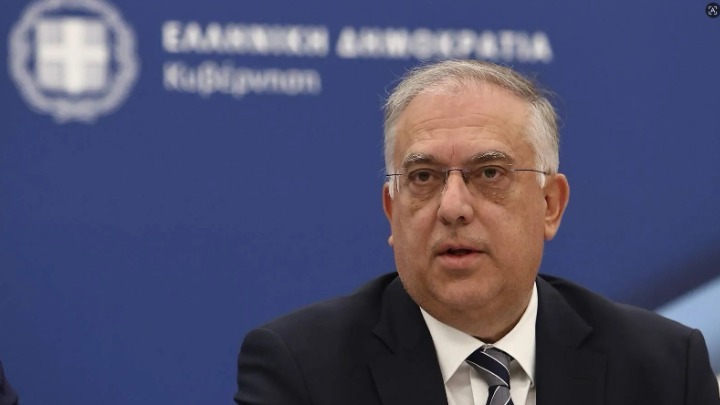
“We want our country not merely to be a user of new technologies, but to play a meaningful role in their creation and development,” Development Minister Takis Theodorikakos said.
“We have outstanding scientists, strong research centres and businesses that innovate and excel internationally. There are currently 35 companies operating in the semiconductor sector in Greece, employing approximately 1,200 specialised workers,” the minister stressed.
“We have taken the first substantive step by providing € 3.63 million in funding to the Hellenic Semiconductor Competence Centre. Through the new National Strategy for Semiconductors, we aim to harness this potential, strengthen the links between research and industry, and enhance our country’s position on the European technology map.
Our goal is to create more jobs offering better pay in a more productive and competitive economy,” Theodorikakos concluded.


