
TIRANA, Oct 6 /ATA/ – A new museum dedicated to Albania’s documentary
heritage opened at the premises of the General Directorate of Archives
in Tirana on Tuesday, offering the public a collection of historical
documents, photographs, maps, publications and manuscripts.
Unlike a traditional museum, the Archive Museum is centred on
documents as historical evidence, tracing aspects of Albania’s social,
cultural and institutional life through written records and other
archival material.
Visitors can view rare documents and other materials spanning
different periods, from early records to more recent evidence of the
country’s social and institutional development.
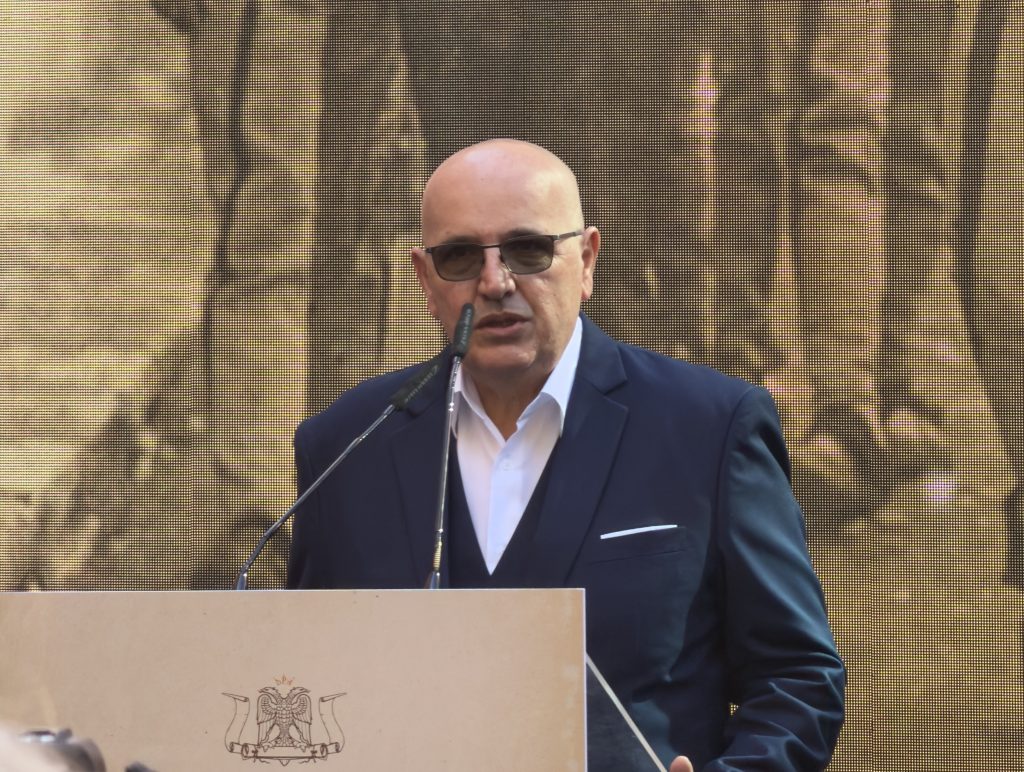
“This is an archive museum, not a museum of the archives. It is not
like other museums, a museum of an institution or a particular field
of activity. It is a museum of documents,” General Director of
Archives Auron Rrokaj said in remarks at the opening ceremony.
The exhibits include historical documents, photographs, books,
magazines, administrative records, manuscripts and other material
relating to Albania’s public and social life.
The museum also incorporates digital displays, holograms, quizzes and
other interactive features designed to engage visitors, particularly
younger audiences.
“That is why the museum is not only based on written records, but is
also digital, with holograms, quizzes and interactive features. Young
people will like it very much,” Rrokaj said, urging young people to
visit the museum and “rediscover their love for paper”.
The museum’s opening comes as Albania’s National Archives undergoes
changes aimed at improving the preservation, management and
digitisation of its collections.
Through its exhibitions and use of technology, the museum aims to
present archives not simply as repositories of documents but as spaces
where history can be explored through original records.
The Archive Museum is the latest museum space to open in Tirana,
presenting aspects of Albania’s history through original documents,
photographs, maps and other archival records rather than conventional
museum objects.
/a.f/r.e/u.sh/


