
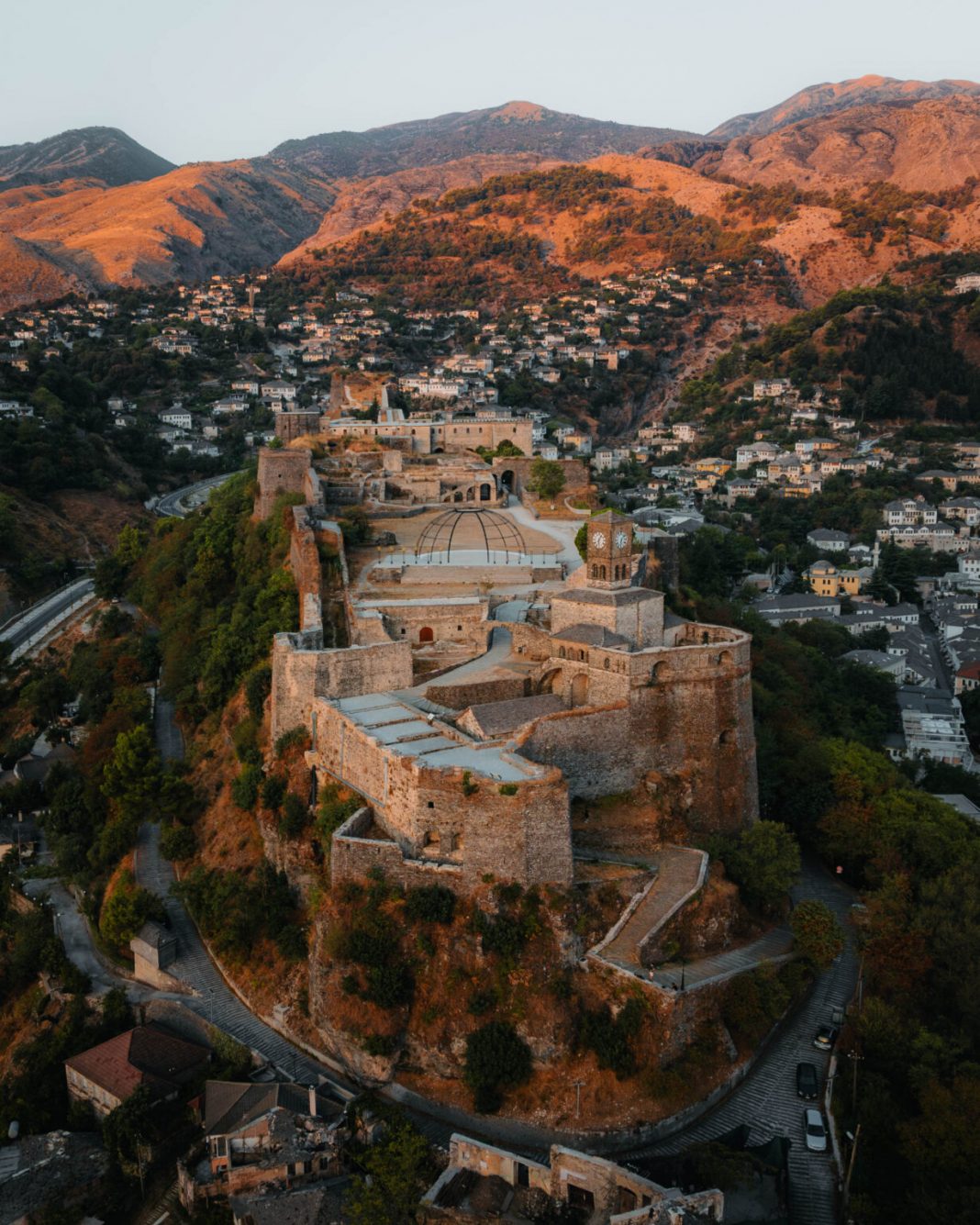
TIRANA, July 15 /ATA/ – Twenty-one years ago, the museum city of Gjirokastra, southern Albania, was inscribed on UNESCO’s World Heritage List, gaining international recognition as one of the Balkans’ most distinctive cultural and historical centres.
Deputy Minister Albana Koçiu described the “Stone City” on the anniversary as a shared heritage of humanity and a source of great pride for Albania, saying that for more than two decades it has showcased its values to the world.
The inscription on July 15, 2005, followed a lengthy process of documentation and evaluation, during which Albanian institutions, heritage experts and the local community worked together to demonstrate the city’s outstanding universal value.
The Academy of Sciences said Gjirokastra’s inclusion on the UNESCO list was supported by research from historians and architects, the commitment of the Ministry of Culture and the Institute of Cultural Monuments, as well as by local residents who have carefully preserved the city’s distinctive tower houses, the old bazaar, an 18th-century
mosque and churches dating from the Ottoman period.
The living heritage reflected in its cobbled streets and its 13th-century citadel stands as evidence of historic urban life and a rare example of preserved Ottoman architecture.
Gjirokastra is not only a museum city, but also a symbol of Albania’s cultural identity, a heritage treasure connecting the country with its history and strengthening its place on the world’s cultural map.


