
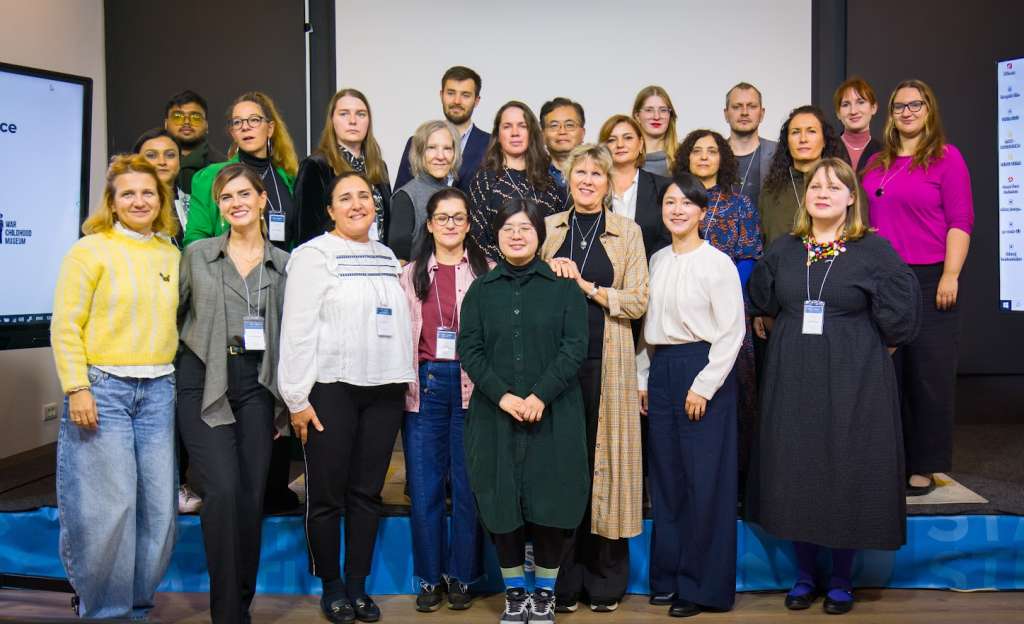
SARAJEVO, October 29 (FENA) – Museum professionals, researchers and cultural heritage experts gathered in Sarajevo for an international conference entitled ‘Echoes of Conflict, Pathways to Peace: Museums, Memory and Post-War Recovery’, discussing the role of museums in preserving memories of a difficult past, addressing the consequences of conflict and contributing to peacebuilding.
Discussions also covered intergenerational trauma and family memory, the preservation and interpretation of difficult heritage, community engagement, digital archives, conflicting historical narratives, and the ethical responsibility of museums in post-conflict societies.
The War Childhood Museum also presented its work through a paper entitled ‘Breaking the Silence: Family Memory, Testimony and Narrative Reconstruction at the War Childhood Museum’, authored by Maida Salkanović, the Museum’s communications manager, and Emina Zoletić, a doctoral student at the University of Warsaw and recipient of the War Childhood Museum’s Lejla Hairlahović-Hušić Fellowship.
The Embassy of the Republic of Poland in Bosnia and Herzegovina hosted a reception for conference participants at Europe House in Sarajevo, providing an opportunity to continue discussions and strengthen international cooperation. On that occasion, Marcin Czapliński, chargé d’affaires at the Polish Embassy in BiH, stressed the importance of memory and dialogue in building lasting peace.
”We have learned that lasting peace requires both preserving memory and being willing to confront difficult chapters of the past,” Czapliński said.
Lina G. Tahan, president of ICOM ICEthics, explained that Sarajevo was chosen to host the conference because of the city’s history, but also because the War Childhood Museum holds special personal significance for her.
”Having shared my own story with the Museum, I feel a special connection to its work and the message it conveys: peace is fragile, and we must never take it for granted. At a time when numerous conflicts are taking place around the world, Sarajevo seemed to me the right place for us to come together and discuss how we can build and restore peace. I believe discussions like these are particularly important today,” Tahan said, according to a statement issued by the War Childhood Museum Foundation.


