
EC: Bosnia and Herzegovina must urgently resume reforms after elections, risks losing €373.9 million
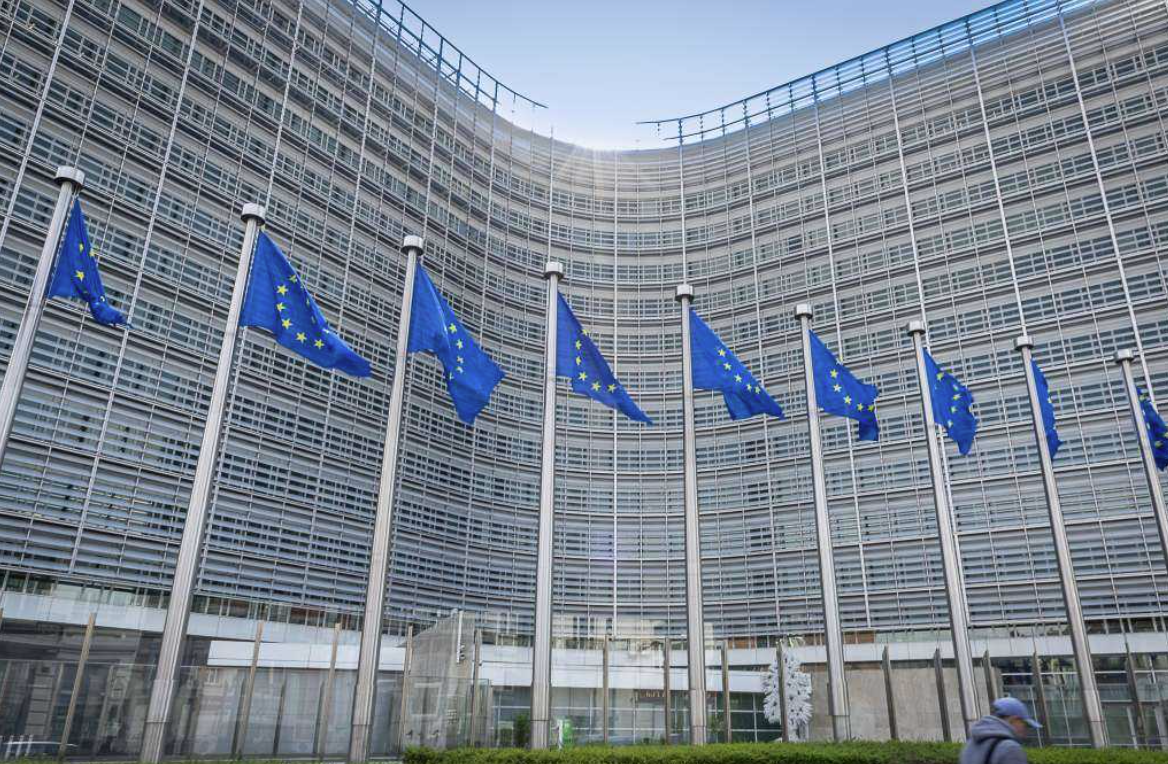
SARAJEVO, October 8 (FENA) – Following the general elections held on October 4, the European Union expects Bosnia and Herzegovina to restore the momentum of reforms and meet citizens’ expectations regarding European integration, the European Commission told the FENA EU portal, warning that, in addition to the stalled process of opening accession negotiations, the country could soon face the risk of losing €373.9 million from the Western Balkans Growth Plan.
Asked what the new authorities’ first steps should be after the elections to enable Bosnia and Herzegovina to make measurable progress toward the EU, the Commission recalled that the European Council decided in March 2024 to open accession negotiations with Bosnia and Herzegovina.
”The European Council’s decision in March 2024 to open accession negotiations with Bosnia and Herzegovina sent an important message to the citizens of Bosnia and Herzegovina, confirming their country’s European perspective,” the European Commission said.
However, more than two years after that decision, the first Intergovernmental Conference, which would mark the formal start of the negotiating process, has yet to be held.
The Commission told the FENA EU portal that Bosnia and Herzegovina needs to step up efforts to implement reforms and take all relevant steps set out in the European Commission’s October 2022 recommendation so that the EU Council can adopt the negotiating framework and enable the long-awaited first Intergovernmental Conference to be held.
Among the reforms that remain outstanding, the Commission singled out the adoption of the Law on Courts of Bosnia and Herzegovina and the Law on the High Judicial and Prosecutorial Council of Bosnia and Herzegovina.
”Their adoption in line with European standards is essential to strengthening the independence, integrity, accountability and efficiency of the judiciary, as well as citizens’ confidence in the judicial system,” the Commission stressed.
However, in its response, the Commission did not specify which particular outstanding issues in the two laws still need to be resolved, nor did it say whether it considers it realistic for the first Intergovernmental Conference to be held by the end of 2026.
Another step Brussels expects is the appointment of Bosnia and Herzegovina’s chief negotiator.
The Commission stressed that the decision on the appointment falls within the competence of Bosnia and Herzegovina and should be taken in accordance with domestic legislation and procedures, while also clearly stating what it expects from the position.
”We expect the chief negotiator to be operational, with a full mandate to represent the country as a whole,” the European Commission said.
The Commission is monitoring Bosnia and Herzegovina’s progress across all key priorities and will present its assessment of relevant developments in the forthcoming Enlargement Package and Bosnia and Herzegovina report. It also said it remains ready to provide strong political, technical and financial support to the country in implementing the political, institutional, social and economic reforms needed to advance toward membership.
A particularly significant part of the European Commission’s response concerns the Western Balkans Growth Plan and the funds available to Bosnia and Herzegovina.
Bosnia and Herzegovina can still receive up to €976.6 million from the Reform and Growth Facility for the Western Balkans, provided it successfully implements the agreed reforms. This amount already reflects a 10 percent reduction in Bosnia and Herzegovina’s indicative allocation applied in 2025 due to delays.
After Bosnia and Herzegovina’s Reform Agenda was approved in November 2025, the disbursement of funds, including pre-financing, is possible only after the Loan Facility and Instrument agreements enter into force and the applicable conditions are satisfactorily fulfilled.
Only after these steps have been completed, the Commission explained, will Bosnia and Herzegovina be able to access the funds allocated to it under the Growth Plan.
At the same time, it highlighted a deadline that is becoming particularly important for the authorities in Bosnia and Herzegovina.
”The grace period for the first 50 reform steps, which had a deadline of December 2025, lasts 12 months and expires on December 31, 2026. This means that Bosnia and Herzegovina is soon at risk of losing €373.9 million if the conditions are not met and the reforms are not implemented,” the European Commission warned.
Brussels stressed that it wants citizens of Bosnia and Herzegovina to fully benefit from the opportunities provided by the Growth Plan, which should also help the country advance on its European path.
In addition to the formal accession process, the European Union is placing increasing emphasis on the gradual integration of candidate countries, meaning that some of the benefits of membership can be made available before full EU accession.
”Gradual integration means delivering the benefits of EU membership step by step, sector by sector, before accession,” the Commission explained.
One concrete opportunity for Bosnia and Herzegovina is access to the Single Euro Payments Area (SEPA). According to Commission data, joining the system could reduce transaction fees by up to 94 percent and shorten the time required to process transactions.
The Commission welcomed the adoption of the necessary legislation in the Federation of Bosnia and Herzegovina and Republika Srpska, which has enabled Bosnia and Herzegovina to apply for membership in SEPA.
However, that process is not automatic either.
”It is important that Bosnia and Herzegovina continues to implement the necessary reforms, including those in the area of anti-money laundering, so that it is in a position to use SEPA, like other countries in the region,” the Commission said, adding that it is ready to continue supporting Bosnia and Herzegovina in this process.
For citizens of Bosnia and Herzegovina, another potential concrete future benefit of European integration could be the ”Roam Like at Home” initiative, which would eliminate additional roaming charges between Bosnia and Herzegovina and the European Union.
The Commission said the initiative would bring significant future benefits to citizens, but that Bosnia and Herzegovina would also have to take a concrete institutional step.
”It is important that Bosnia and Herzegovina appoints its representative to conduct bilateral negotiations with the EU on this initiative when the time comes,” the Commission said.
The Commission did not provide concrete answers to questions about a possible date for European Commission President Ursula von der Leyen’s visit to Bosnia and Herzegovina, the specific progress the Commission would like to see before her visit, or the practical consequences of Bosnia and Herzegovina increasingly falling behind other Western Balkan countries.
Nevertheless, the message from Brussels following the elections is that Bosnia and Herzegovina needs to restart the reform process. The focus remains on adopting judicial laws in line with European standards, establishing an operational negotiating structure with a chief negotiator capable of representing the country as a whole, and implementing the reform commitments under the Growth Plan.
Alongside the political stalemate on the European path, the coming months also carry direct financial implications: the grace period for the first 50 reform steps expires at the end of December, and failure to meet the conditions could cost Bosnia and Herzegovina €373.9 million in EU funds.


