
Domestic natural gas production will exceed Romania’s demand with Neptun Deep exploitation
Domestic production of natural gas is expected to exceed Romania’s consumption demand once it reaches the plateau level of production in the Neptun Deep block in the Black Sea, estimated at approximately 8 billion cubic metres annually, to which about 8 billion cubic metres of onshore deposits are added, Aristotel Jude, member on the Board of Directors of Romgaz, said on Monday at a conference on the challenges of winter 2026 – 2027 for the national energy system.
“To us, it is essential that in the first half of the year, as we have been announced, the production of Neptun Deep begins. From my point of view, Romania will return to a natural gas production from the period ’98-2000. If we have an average consumption of 11 billion cubic metres, the production in Neptun Deep will be around 8 billion cubic metres during the plateau period, and the production now provided by the onshore reservoirs of natural gas producers is about 8 billion cubic metres, which means that the domestic production of natural gas from onshore and offshore reservoirs will exceed Romania’s natural gas consumption,” said Aristotel Jude at the Focus Energetic conference.
Romgaz aims to maximise the value of its natural gas by selling it directly, using it to generate electricity and integrating it into industrial processes, Jude said.
“Natural gas should not necessarily be sold in the form in which it is extracted, but allocated where it can generate the greatest value. We will sell it as extracted, use it to produce electricity and integrate it into industrial processes,” he explained.
Regarding preparations for the winter season, Jude said the company’s priority was to maintain adequate production levels. Under Emergency Ordinance 12/2026, natural gas is supplied at a subsidised price of RON 110/MWh to household suppliers and heat producers serving the population. Approximately 70% of Romgaz’s output between April 1, 2026, and March 31, 2027, is allocated to these categories at that price.
Romgaz has completed its annual equipment overhauls and continues to invest in maintaining production. Measures include securing contracts for well repairs and interventions, spare parts and other supplies, bringing new wells into operation and continuing rehabilitation projects, particularly important given the maturity of the company’s deposits. The company is also working to optimise output and keep its infrastructure operating at maximum capacity.
Jude said Romgaz’s annual investment programmes exceed RON 5 billion, adding that an implementation rate of more than 80% represents a successful outcome for the state-owned company, which operates under stricter corporate rules than private businesses.
“The key to success is the implementation of investments, and Romgaz has been a champion in this respect. Given annual programmes worth over RON 5 billion, an execution rate above 80% is a success,” he said.
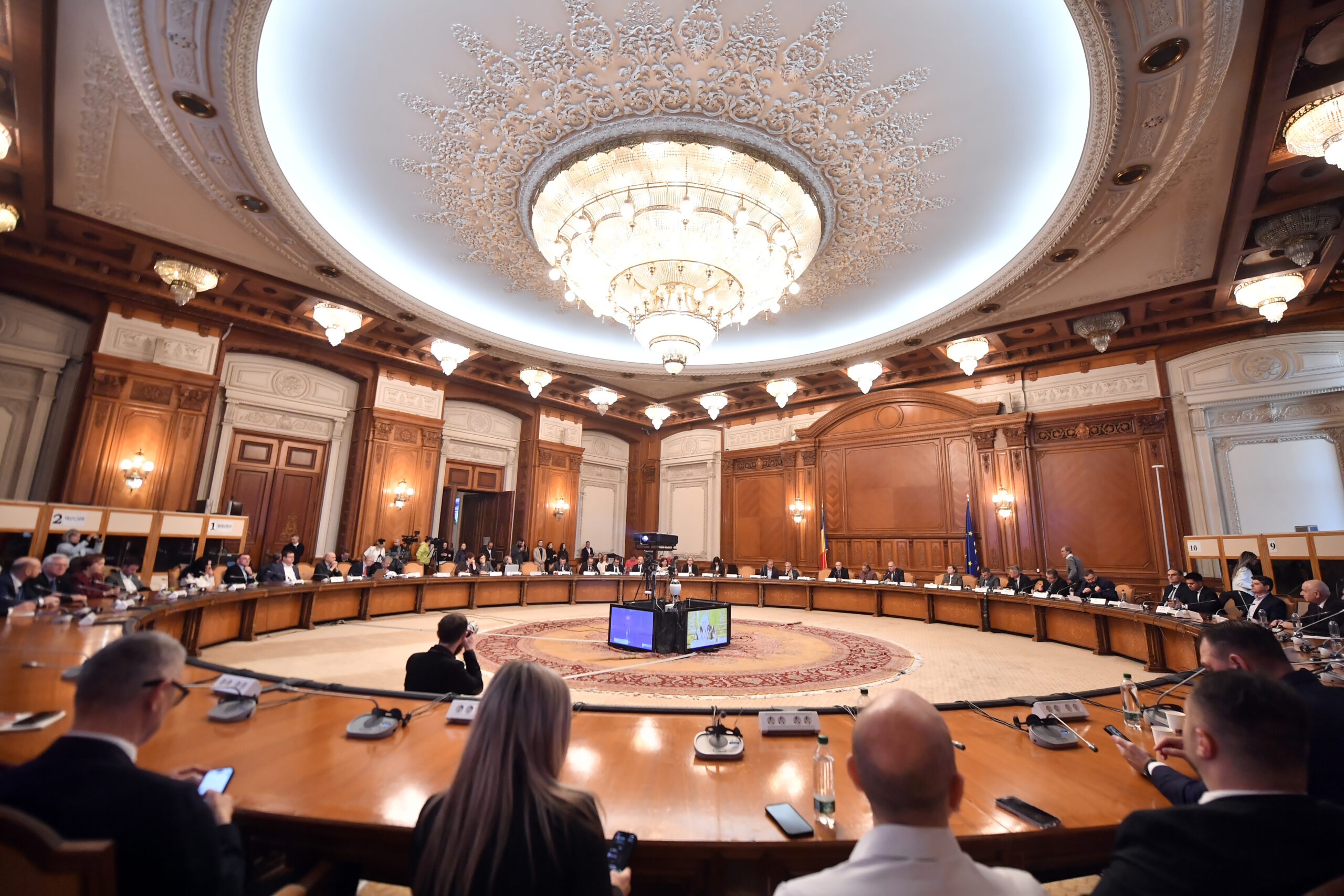
The 14th conference in the winter preparedness series, entitled “The Challenges of Winter 2026–2027 for the National Energy System”, was organised on Monday by Focus Energetic in partnership with the Chamber of Deputies’ Committee on Industries and Services.


