
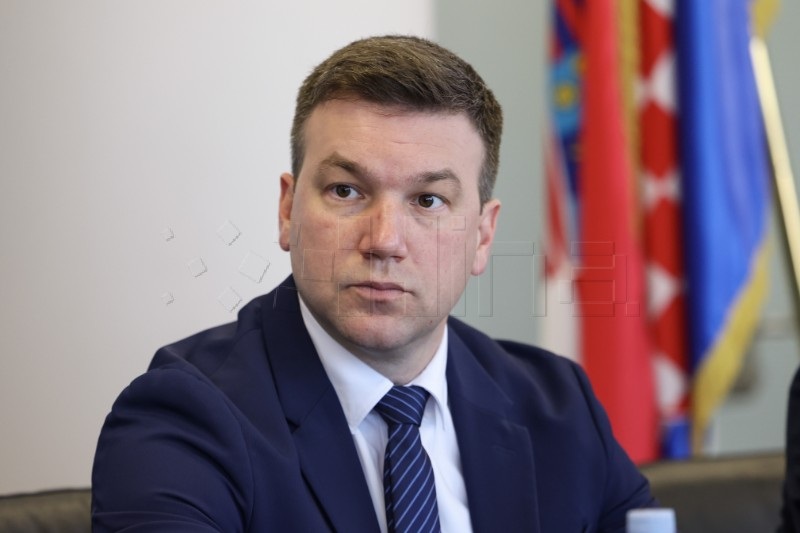
ZAGREB, 6 March (Hina) – Regional Development and European Union Funds Ministry’s state secretary Domagoj Mikulić told the parliament on Friday that Croatia has received €20.1 billion more from the European Union budget than it paid in contributions, and as of 30 June 2025, Croatia was €16.75 billion net positive.
The parliamentary discussion focused on the presentation of EU fund utilisation reports for 1 July – 31 December 2024 and 1 January – 30 June 2025.
Mikulić highlighted that by mid-February 2026, the number of grant procedures nearly doubled (from 219 to 415) and the value of projects increased from €5.1 billion to €11 billion, representing 73.7% of total allocations, with almost €10 billion already contracted.
He stressed that EU funds are key for education, health, infrastructure, entrepreneurship, innovation, and environmental protection, noting that 70% of Croatians are aware of EU projects locally, above the European average of 46%.
The eighth tranche of the National Recovery and Resilience Plan, worth €896 million, is expected this month.
Opposition criticises focus on buildings
SDP MP Sanja Radolović argued that some regions still have GDP per capita at 2001 levels, claiming EU funds were mainly spent on buildings rather than boosting productivity or innovation. She also noted that many projects face delays, higher costs, and labour shortages.
HDZ MP Marko Pavić defended the government, saying Croatia has been very successful in using EU funds and will have around €19 billion available in the next financial period.
He noted that in the past decade, Croatia’s GDP rose from 61% to 78% of the EU average, and investments are also being made in R&D and modern technologies to create jobs, especially for youth.
Independent MP Josip Jurčević criticised the calculation, claiming Croatia’s most skilled workers sent to the EU are worth €500 billion, which he argued results in a €480 billion “net loss”.


